
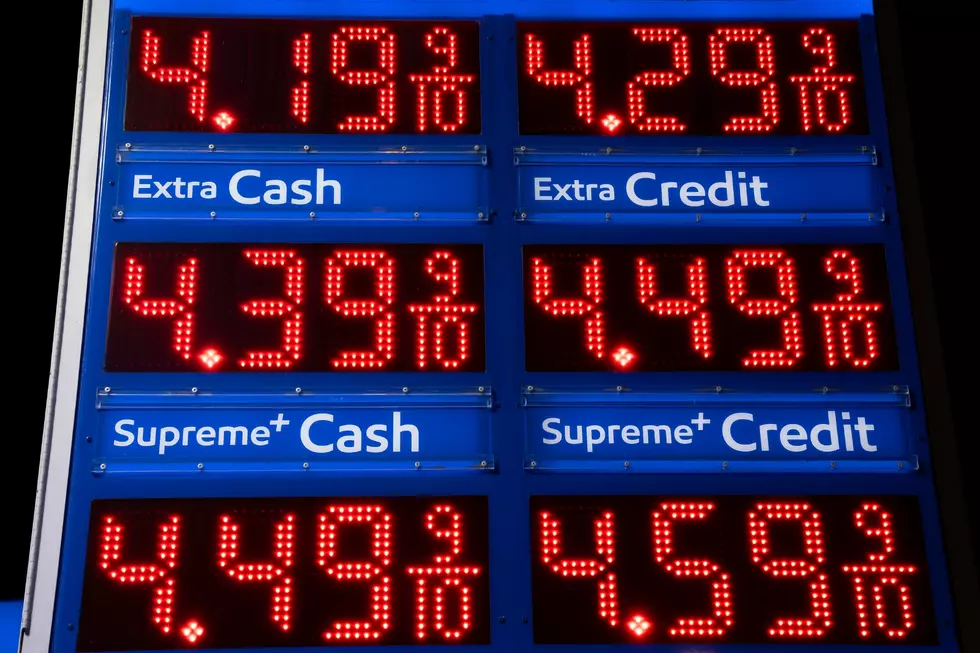
How the Great Depression Created the Gas Price You Hate
Gas prices are already a soul-sucking carnival of pain — credit card surcharges, taxes, and that fleeting moment of existential dread where you think, “Maybe I will start biking to work,” even though the only “athletic” footwear you own is a pair bowling shoes. But then comes the insult so petty, so stubborn, it makes $8 airport bottled water look like charity work: that weird little 9/10 of a cent tacked onto every posted price, clinging there like a plastic bag to a wet hand, refusing to let go no matter how hard you shake.
Who’s to blame? The government, obviously. And the Great Depression — basically history’s version of “it seemed like a good idea at the time,” except with breadlines and dust storms.

The 1932 Tax That Changed Gas Prices Forever
In 1932, the Revenue Tax Act slapped a one-cent-per-gallon federal tax on gas to chip away at the national debt — because nothing says “economic recovery” like making everyone’s commute more expensive. Back then, gas was priced in whole cents, so tacking on another penny was basically taxing oxygen. If a gallon cost 10 cents, bumping it to 11 was a savage 10% hike — the kind of daylight robbery that could send you spiraling into a depression inside the Depression.
How Gas Stations Use Fractions of a Cent to Stay Profitable
Station owners, terrified of losing business (and maybe a public pitchfork-and-torch mob financed on layaway), started slipping in fractions of a cent to soften the sucker punch. By the ’70s, that 9/10 of a cent wasn’t just a pricing gimmick — it was the industry’s security blanket, the equivalent of a “participation trophy” for gas prices. It kept numbers looking “low” enough to fool your brain while still padding the wallets of Uncle Sam and the oil fat cats who’ve been living large since disco died.
That tiny fractional upcharge? Yeah, it’s still baked into the system like stale pizza crust nobody wants but everyone’s stuck with. And no, gas stations can’t just “round down” unless they want to kiss goodbye to 20% of their already razor-thin five-cent-per-gallon profit margin — which, spoiler alert, they don’t. Nationwide, that microscopic decimal quietly hoovers up hundreds of millions every year — basically a national swear jar full of your money, except you’re not allowed to crack it open.
The Psychology Behind Pricing Ending in 9/10 of a Cent
So why not just round it to a clean $2.30 instead of $2.29 and 9/10? Because marketing, baby. Our primitive lizard brains spot that “9” and shout “score!” even though every adult cell knows it’s a sneaky hustle. $2.29 and 9/10 feels cheaper than $2.30 — right up until the pump cold-cocks you with the full price in unforgiving digital numbers.
The Failed Rebellion: Jim Davis and the $2.99 Gas Experiment
One brave soul dared to break the mold. In 2006, Jim Davis of Jim’s Texaco threw down the gauntlet and posted gas at a bold $2.99 flat — no decimals, no 9/10, no Jedi mind tricks designed to confuse your brain into thinking you’re saving a nickel. The response? Crickets. Even worse, some customers assumed it meant $2.98 and 9/10. Jim ended up losing $23 a day — which is like a slap from the universe saying, “Welcome back to the decimal cult, pal.”
Nice try, Jim. The cruel monkey on your back called capitalism just told you to sit down, shut up, and keep swiping your card.
12 Items to Avoid Buying at Gas Stations and Convenience Stores